About 1 TON ELECTRIC WIRE ROPE HOIST
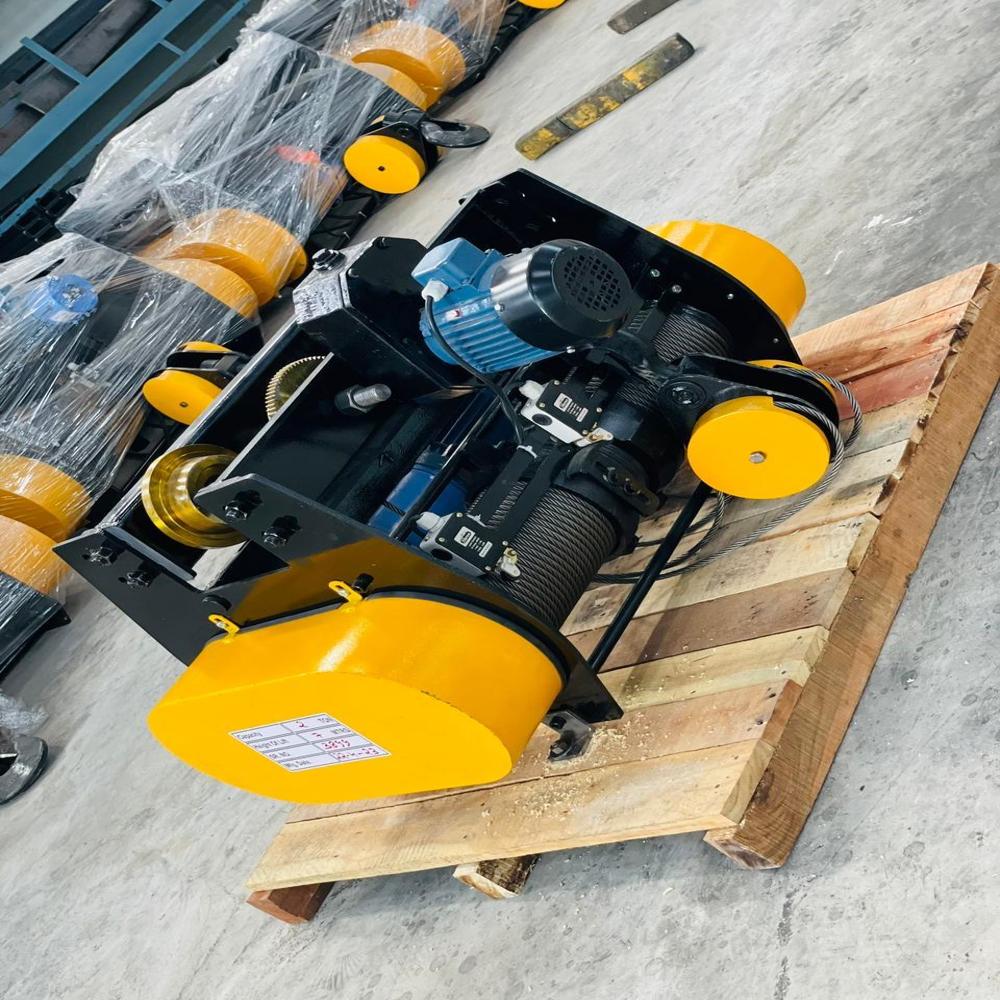
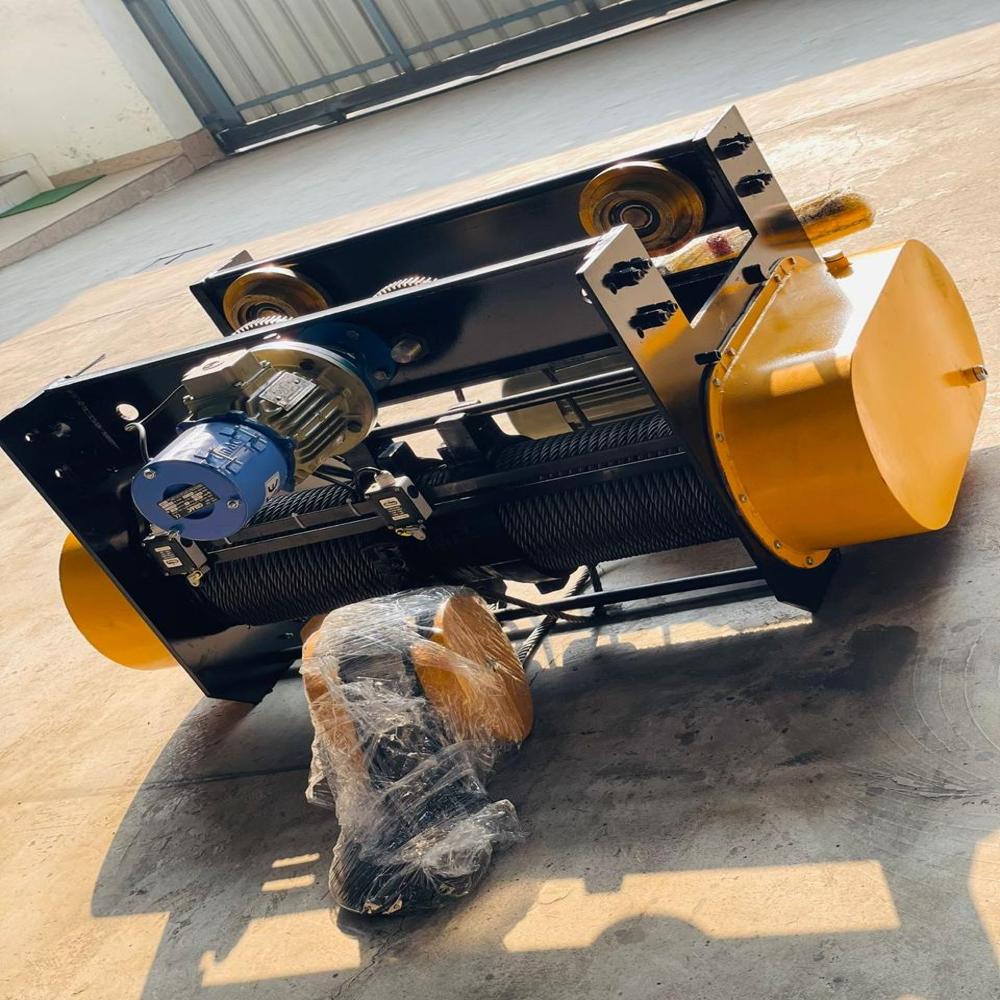
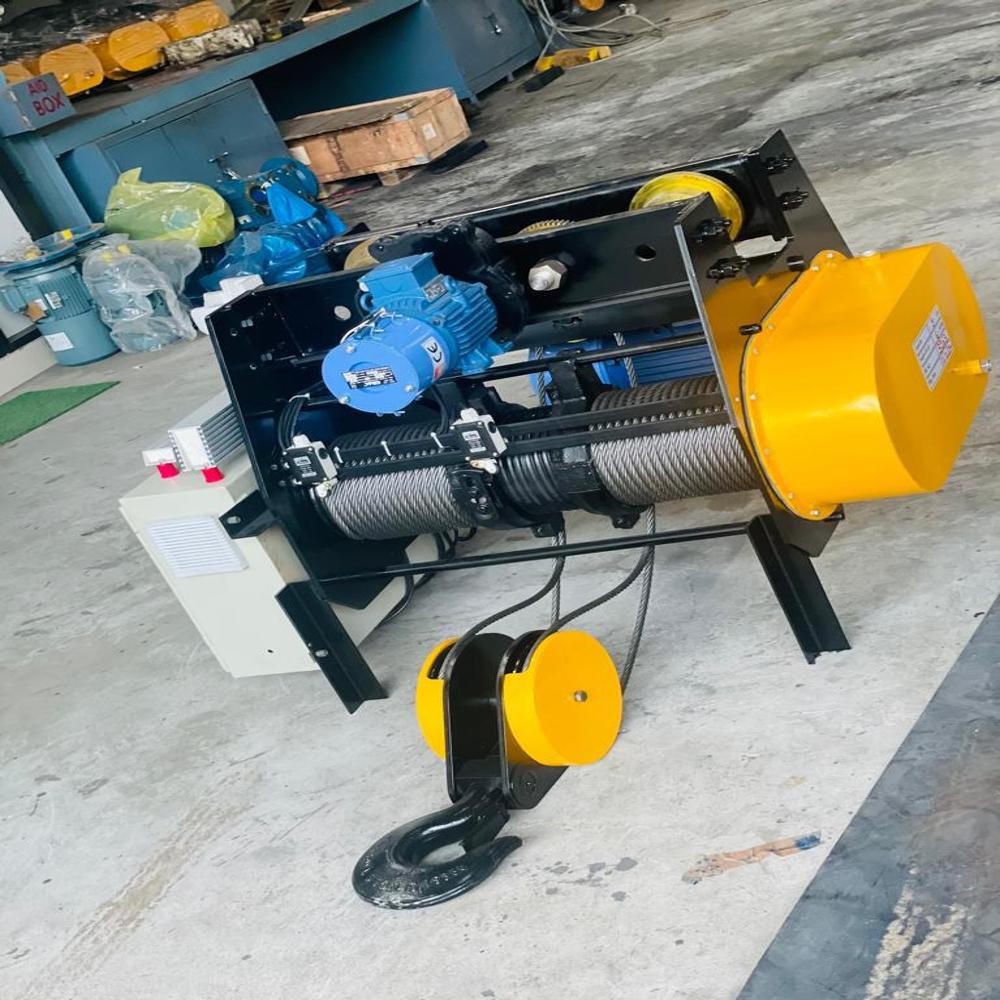
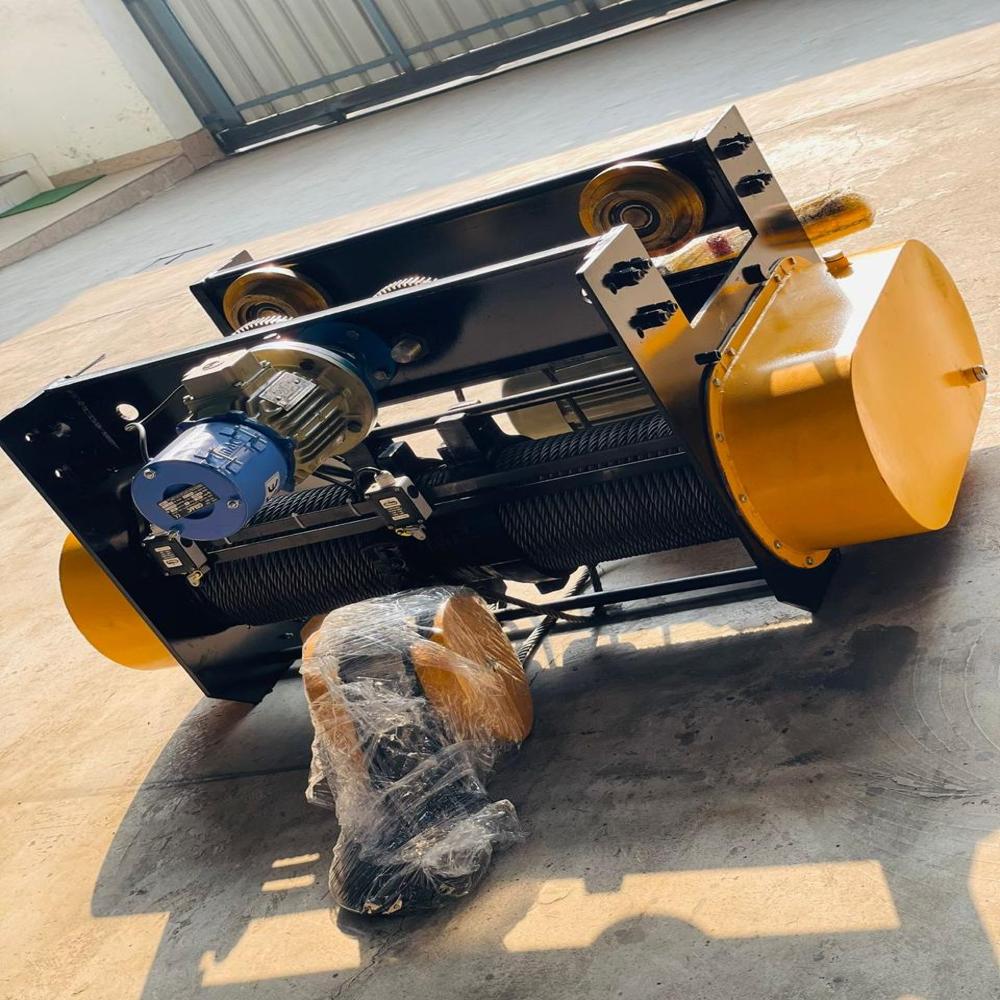
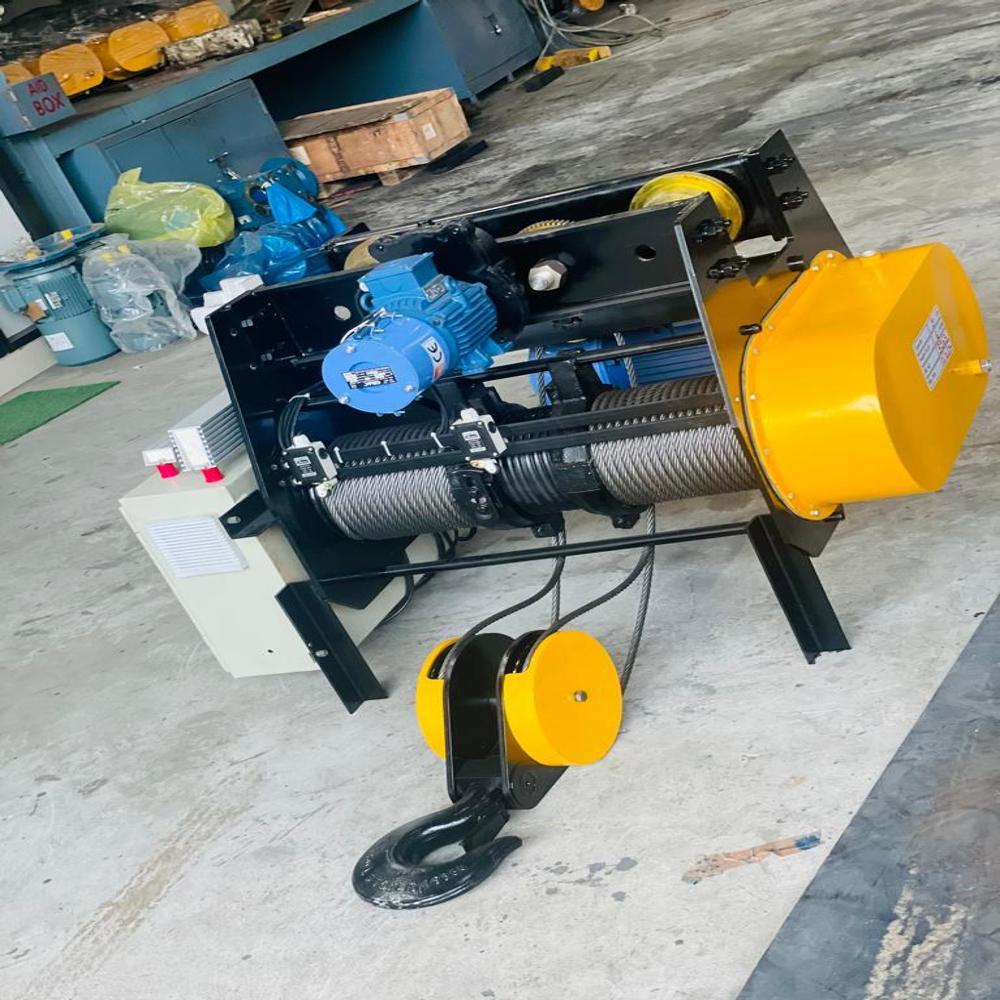
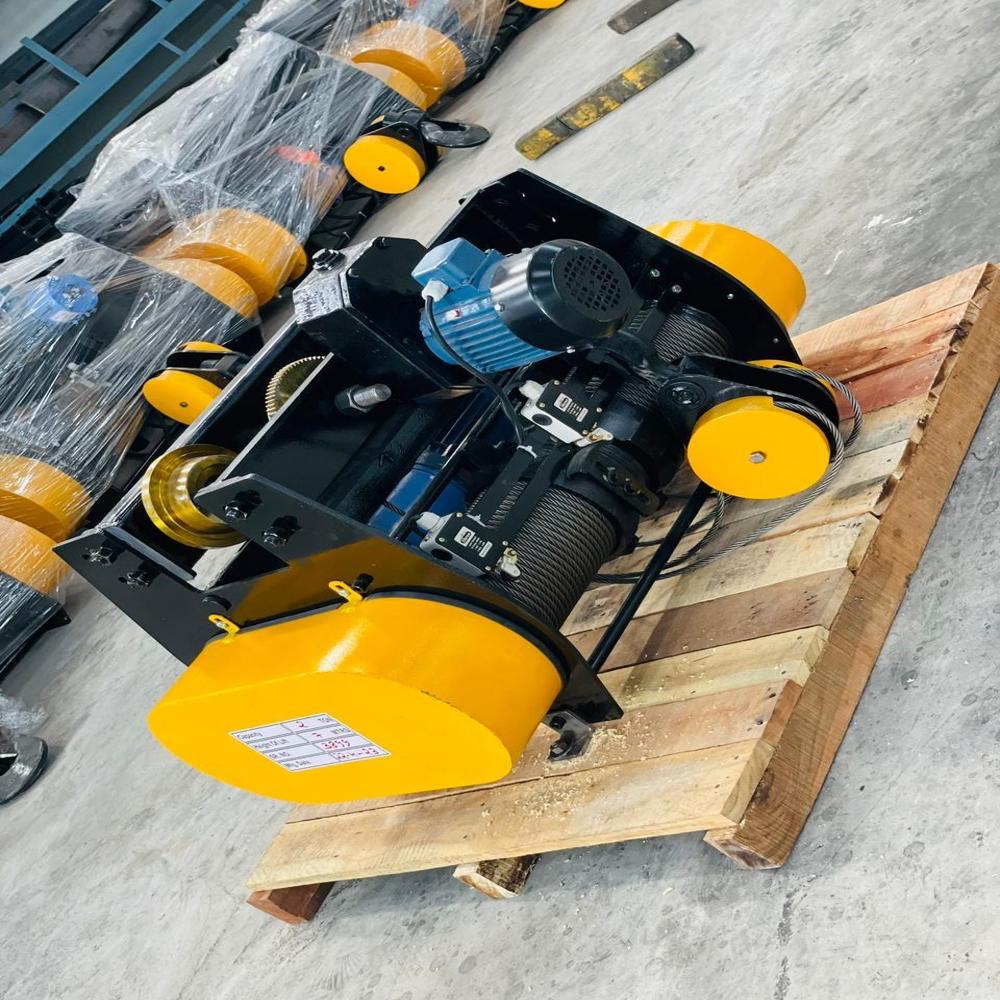
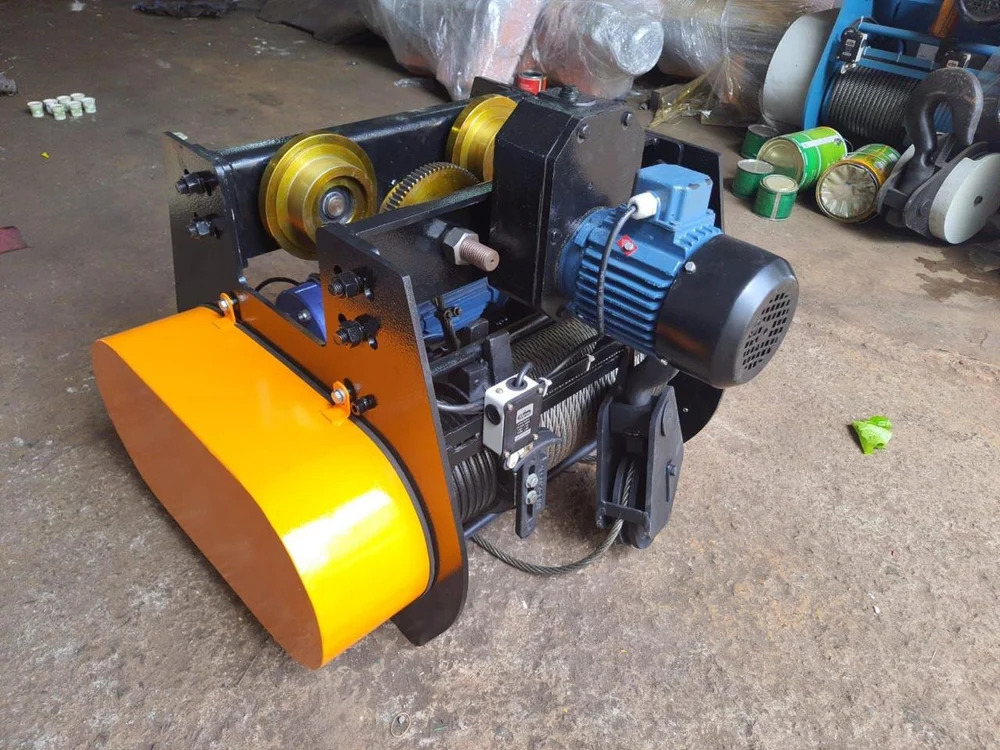
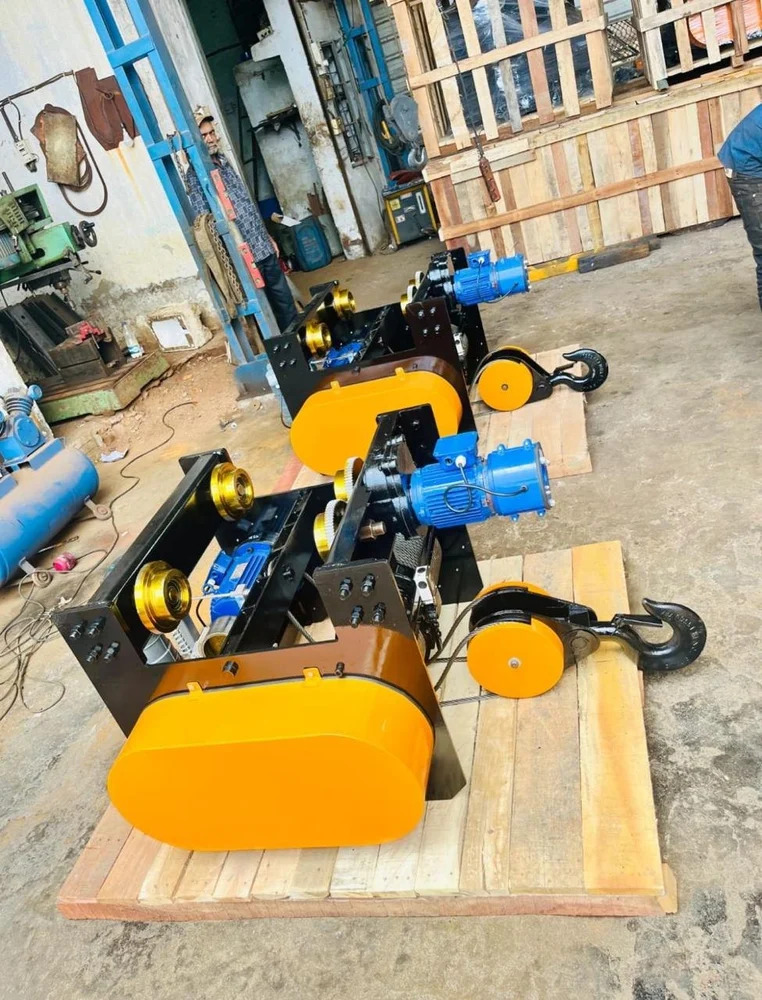
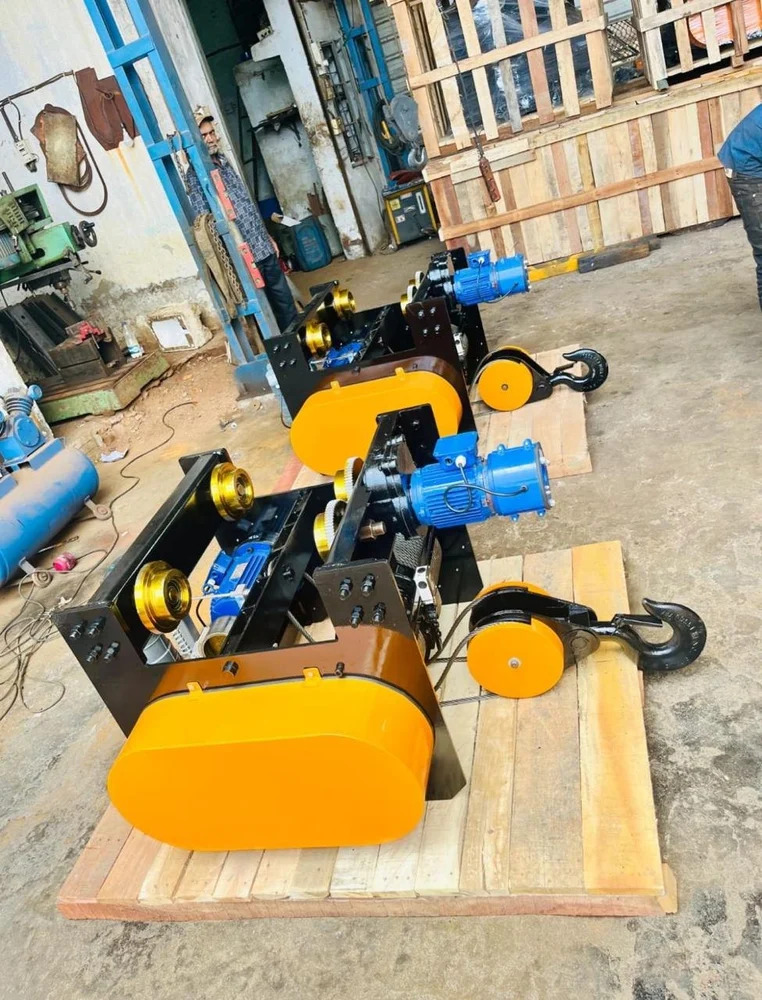
Our 1 Ton Electric Wire Rope Hoist is a reliable and efficient material-handling solution designed for lifting and moving heavy loads in industrial and commercial applications. Manufactured using quality components and robust construction, this electric hoist provides smooth, safe, and dependable lifting performance.
Key Features
- Lifting Capacity: 1 Ton
- Heavy-duty and durable construction
- High-efficiency electric motor
- Smooth and reliable lifting operation
- Strong wire rope for safe load handling
- Compact and space-saving design
- Easy operation and maintenance
- Suitable for continuous industrial use
- Reliable braking system for enhanced safety
- Designed for workshops, factories, warehouses and construction applications
Applications
The 1 Ton Electric Wire Rope Hoist is widely used in:
- Manufacturing industries
- Engineering workshops
- Warehouses and storage facilities
- Fabrication units
- Construction sites
- Automobile industries
- Steel and metal industries
- Material handling applications
Product Benefits
This hoist helps reduce manual lifting effort, improve workplace productivity, and provide controlled and efficient handling of heavy materials. Its robust design makes it suitable for demanding industrial environments.
Product Name: 1 Ton Electric Wire Rope Hoist
Capacity: 1 Ton
Operation: Electric
Lifting Medium: Wire Rope
Application: Industrial Material Handling
Usage: Lifting and Moving Heavy Loads
Reliable Lifting PerformanceThis electric wire rope hoist is engineered for steady operation, combining a strong 1-ton capacity with a robust 110 kg structure. It ensures secure lifting and transport of heavy materials within your workspace, minimizing downtime and boosting productivity. The electrical trolley feature allows for smooth lateral movement, ideal for logistics and manufacturing settings.
Versatility and EfficiencyWith its 6-meter lift height and 4-foot width, the hoist fits most standard work environments. Its yellow color enhances visibility for safety, while the 3.6 km/hr lifting speed streamlines workflow. Whether in a fabrication shop or warehouse, the hoist's versatile application adapts to various material handling needs, making it an indispensable asset.
FAQ's of 1 TON ELECTRIC WIRE ROPE HOIST:
Q: How is the 1 TON Electric Wire Rope Hoist installed?
A: The hoist can be mounted to suitable supporting structures, such as overhead beams, using standardized clamps and fittings. Professional installation is recommended to ensure safety and correct alignment of the electrical trolley system.
Q: What is the main benefit of using this electric wire rope hoist?
A: The primary benefit is efficient and safe lifting of loads up to 1 ton, which greatly reduces manual labor and risks of injury, while improving productivity in industrial environments.
Q: When should I consider servicing the hoist?
A: Regular servicing every 3-6 months or after a specified number of operating hours is advisable. Immediate maintenance is recommended if you notice unusual noises, reduced speed, or operational inconsistencies.
Q: Where is this hoist typically used?
A: It is commonly used in factories, warehouses, workshops, and construction sites across India where heavy materials require frequent lifting and precise positioning.
Q: How does the electrical trolley enhance the hoist's usability?
A: The electrical trolley enables smooth horizontal movement along a beam, allowing users to efficiently position heavy loads at different points within the working area without manual pushing.
Q: What is the proper process for operating the hoist safely?
A: Operators should first inspect the hoist, confirm the load does not exceed 1 ton, secure the load with appropriate rigging, and operate the controls meticulously, keeping bystanders clear of the lifting area.
Q: What advantages does its 3.6 km/hr lifting speed offer?
A: The hoist's 3.6 km/hr speed ensures that tasks are completed swiftly, reducing operation delays and helping to maintain a steady workflow in demanding production or storage environments.
 Send Inquiry




 Send Inquiry


 Send Inquiry


 English
 Spanish
 French
 German
 Italian
 Chinese (Simplified)
 Japanese
 Korean
 Arabic
 Portuguese
